


Evolution of the iPad
Updated: Mar 28

2010

iPad (First Generation) $499
In 2010, Steve Jobs announced the iPad. Like the iPhone, it changed how we use technology. There was now a device meant for when you need more than a smartphone, but don’t want or need to sit down at a desk. It had a 9.7-inch display, a custom A4 chip, and up to 64GB of storage, although it lacked cameras.
Fun fact, the iPad was in development before the iPhone, but was delayed to focus on the release of the iPhone.

2011

iPad 2 (Second Generation) $499
The iPad 2 was a respectable improvement over the original iPad, with an upgraded A5 chip, double the RAM, and new front and rear cameras.
In 2011, 2 iPad 2s were taken to the ISS. They were reportedly used for tracking nutritional information for the astronauts, as well as general entertainment.
2012
The New iPad (Third Generation) $499
The third generation iPad was released in March of 2012, and featured the stunning Retina display (doubling the previous resolution), double the RAM, an upgraded A5X, and upgraded cameras.

iPad with Retina Display (Fourth Generation) $499
The fourth generation iPad was released six months later with an upgraded processor, but more notably with the Lightning connector to match the iPhone. There was some confusion however, as the third generation was released six months prior, being named the New iPad, and the 4th generation technically being called iPad with Retina display, which the third generation also had. Customers questioned why Apple didn’t just wait to release the 4th generation.
iPad mini $329

Alongside the iPad fourth generation, Apple released the iPad mini. At roughly 60% of the size of the iPad, it didn’t have all the bells and whistles, but it was cheaper, making an easy buy for those that wanted a cheap eReader. It also was used heavily by schools trying to introduce technology to their students.
2013
Apple released a 128GB version of the fourth generation iPad in early 2013.
iPad mini 2 with Retina Display (Second Generation) $399
Later that year, Apple released the iPad mini 2, it upgraded the RAM, processor, and gave it a Retina display with an unbelievable 326 ppi (pixels per inch).

iPad Air (First Generation) $499

The iPad Air marked a modest redesign, offering a thinner and lighter body while maintaining the 9.7-inch display. It included the A7 chip and the M7 motion coprocessor, making it faster and more efficient. The Air's sleek design and powerful performance set a new standard for future iPads.
2014

iPad mini 3 (Third Generation) $399
Apple released the iPad mini 3, which was very similar to the iPad mini 2. The main difference being that it had Touch ID, which allowed for a more secure device, with faster unlocking.
iPad Air 2 (Second Generation) $499
The new iPad Air received more memory, a better processor, and had Touch ID. It also got thinner and lighter.
2015
iPad mini 4 (Fourth Generation) $399
Apple released an update for the iPad mini. Better processor, better RAM, and with an updated design more akin to a shrunken iPad Air, with smaller bezels and a taller aspect ratio.
iPad Pro 13" (First Generation) $799

Apple also released the iPad Pro. With a powerful A9X chip, up to 4GB of RAM, and a massive 12.9-inch screen, this was the iPad for when you needed to get in and do some real work. Paired with the iPad Pro, there was also the Apple Pencil for those who want to draw on their tablet. It also featured stereo audio. It could be upgraded to 256GB of storage.

2016
iPad Pro 9.7" (First Generation) $599
Apple released a smaller version of the iPad Pro, with slightly less RAM, but in general the same powerful tablet in the familiar form factor.
2017
iPad 5 (Fifth Generation) $329

Apple finally released an update for the iPad lineup, the 5th generation iPad. A far superior processor (A9), higher base model storage, and great battery life. It did draw some criticism by not supporting the Apple Pencil, but was generally received very positively due to the low price tag.
iPad Pro 2 (Second Generation) $799
Apple also released an updated iPad Pro. With an A10X chip, a flat 4GB of RAM, and up to 512GB of storage.
2018
iPad 6 (Sixth Generation) $329
Apple released another update for the base iPad, essentially identical to the 5th generation, but supports Apple Pencil and has a better processor.

iPad Pro 3 (Third Generation) $329
The iPad Pro 3 featured the A12X chip, ditched the home button, up to 6GB of RAM, up to 1TB of storage, and had Face ID. They also switched to USB-C, which was strange and frustrating to Apple users at the time. As the Macbook and iPad were now USB-C, but not the iPhone.
2019

iPad 7 (Seventh Generation) $329
The iPad 7th generation switched up the design of the iPad, it was closer to an iPad Air with smaller bezels, and a bigger screen. It got a RAM increase but featured the same processor, which drew some criticism.
iPad mini 5 (Fifth Generation) $399
The iPad mini finally got an update after 4 years. Bringing the specs up to the standards of 2019. It added support for the Apple Pencil.

iPad Air 3 (Third Generation) $499
iPad Air also finally got an update. With even better bezels than the prior generation, it looks truly stunning, and ran like a dream.
You may have noticed by now that Apple has a tendency to stop updating a product for years at a time, only to introduce several updates every year for years at a time.
2020
iPad 8 (Eighth Generation) $329
The iPad 8th generation was another small upgrade with better specs but the same price.
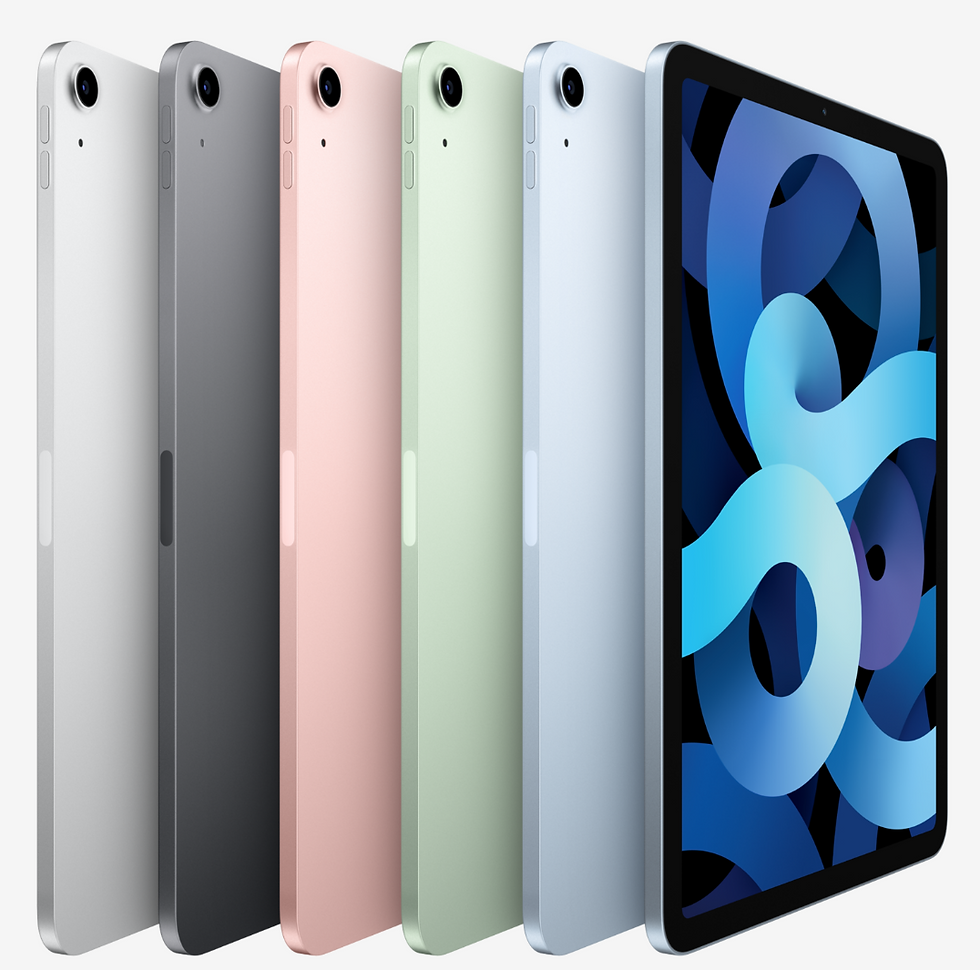
iPad Air 4 (Fourth Generation) $599
Apple copied the design language from the iPad Pro, with a square design, USB-C, and no home button.
iPad Pro 4 (Fourth Generation) $799
Apple upgraded the to the A12Z, which was only slightly better than A12X. However it debuted the Magic Keyboard, blurring the lines between the Mac and iPad more.

2021
iPad 9 (Ninth Generation) $329
The iPad 9th generation was another small upgrade, it had better base storage, and was the last iPad to release with the home button, Lightning connector, and headphone jack.
The Lightning connector would survive another year until the iPhone 14 Plus release in October 2022. Whereas the home button would only make it another 6 months with the release of the iPhone SE (Third Generation)
iPad mini 6 (Sixth Generation) $499

iPad mini 6 ditched the home button like the Pro and Air, adopting the same square body design that Apple’s entire lineup was using. It had better specs, and started using USB-C.

iPad Pro 5 (Fifth Generation) $799
The iPad Pro 5 added the M1 Chip, the new flagship chip from Apple’s new MacBooks. This gave the iPad Pro a ludicrous speed increase, now capable of anything that a laptop can do, at least on a hardware level. Around this time people really wanted Apple to allow more freedom in how the iPad was used. External displays, app resizing, etc. That wouldn’t come yet though.
2022

iPad 10 (Tenth Generation) $449
The iPad 10 fully committed to Apple’s redesign, square body, no home button, USB-C. It also bumped up the specs.
It had mixed reviews due to the lack of premium features, but higher price than previous models.
iPad Air 5 (Fifth Generation) $599
Apple bumped up the specs of the iPad Air to have an M1 chip, making an incredible value when factoring in performance. Although again, users complained that they couldn't use the iPad to its full potential.
iPad Pro 6 (Sixth Generation) $799
The iPad Pro got another small update, now with the M2 chip. It also featured Pencil hover, allowing for additional use cases and quality of life for those taking notes or drawing.
2023
Apple forgot about the iPad. This marked the first year Apple didn't release a new iPad since its inception. They did release a new Apple Pencil however.
2024
iPad mini A17 Pro (Seventh Generation) $499
Another small update to the iPad lineup, with better base storage, better processor, but the same design.
iPad Air M2 (Sixth Generation) $599
Apple took some cues from the iPad Pro, and offered the normal 11" iPad Air, as well as a 13" screen size, for those that don't need all the bells and whistles, but still want a bigger display.

iPad Pro M4 (Seventh Generation) $999
iPad Pro 7 upgraded to the M4, and featured a slightly updated design, being the thinnest device they had made. It also got lighter, lighter than the iPad Air, Which makes you wonder, what does the Air in iPad Air mean now?
It had an absolutely stunning OLED display, getting incredibly bright and vibrant. It also featured a ridiculously long battery life, despite being thinner than the previous generation.
2025

iPad A16 (11th Generation) $349
In Apple's never-ending quest to deliver great products with confusing names, the iPad A16 was released (I suppose it makes sense within the context of the other iPads being named after their processor). With a good jump in power, and an excellent price, Apple made the best iPad for everyday users.
iPad Air M3 (Seventh Generation) $599
iPad Air M3 was another small upgrade for the iPad Air. There isn't much to say from one generation to another, but stacking up from the fifth generation to now is a noticeable and moderate improvement.
iPad Pro M5 (Eighth Generation) $999
iPad Pro M5 was a small upgrade. It was slightly faster, had slightly better Wi-Fi connectivity, and upgraded to Thunderbolt 4 over Thunderbolt 3.
2026
iPad Air M4 (Eighth Generation) $599
Apple released the iPad Air M4, which strangely stayed at 128GB of base storage. Apple had just bumped up the storage of every new product, the iPhones went from 128GB to 256GB, the MacBook Air went from 256GB to 512GB, and the MacBook Pro went from 512GB to 1TB. Even the new budget friendly MacBook Neo starts at 256GB of storage.
Looking Back
You probably have noticed that around 2018, the differences between the iPad models have become less noticeable. Most of them are small upgrades, with slightly better specs, bezels, and every few years there will be a bigger change. I don’t think this is a bad thing however, this means that the engineers are struggling to improve a product, because it’s already so great.
What’s even more interesting about the evolution of the iPad, is that over time it has become more and more like a Mac. With iPadOS 26 allowing full-blown multitasking, traffic lights, and window resizing. In the future, I wonder if there will ever be an option to load macOS onto the iPad.
Whatever Apple chooses to do, two things are certain. 1. They will continue to perfect the design that they have been iterating on for 15 years. 2. They will choose confusing names again and again.


